Loading...
Shravana · 2026
Shravana
Purnima
2026
Sacred Purnima celebrating Raksha Bandhan and divine blessings.
Observance Date
Friday • 28 August 2026
Tithi Begins
03:38 am
27 August 2026
Tithi Ends
04:18 am
28 August 2026
Moon Rise
01:28 pm
28 August 2026
Shravana Purnima 2026 is the most sacred purnima of the year as it marks the celebration of the Raksha Bandhan festival. Shravana Purnima falls in the month of Shravana (July-August). On this day Upakarma (Janeu Sanskar), Narali Purnima, and Hayagriva Jayanti are also celebrated.
When in Shravana Purnima in 2026?
Occasion Date and Time
Shravana Purnima 2026: Friday, 28 August 2026
Purnima Tithi Begins: 09:08 AM on 27 August 2026
Purnima Tithi Ends: 09:48 AM on 28 August 2026
Approx. Moonrise Time: 07:21 PM on 28 August 2026
Best time to tie Rakhi: Before 07:20 AM on Aug 28 OR After Bhadra on Aug 27 (Evening)
Significance of Shravana Purnima
Shravan month is dedicated to Lord Shiva. Devotees use this opportunity to:
- Perform Rudrabhishek of Lord Shiva
- Observe sacred fasts
- Perform acts of charity (daan)
- Take sacred baths in rivers or holy waters
Shravan Purnima is believed to amplify the spiritual merit (punya) of all rituals performed on this day.
Shravana Purnima Puja Vidhi (Rituals)
Shravana Purnima is celebrated differently in different regions. People observing Purnima vrat may follow customs such as:
- Wake up early and take purifying bath
- Wear clean clothes
- Read Shravana Purnima Vrat katha
- Worship Lord Shiva. Performing Rudra Abhishek is considered highly auspicious
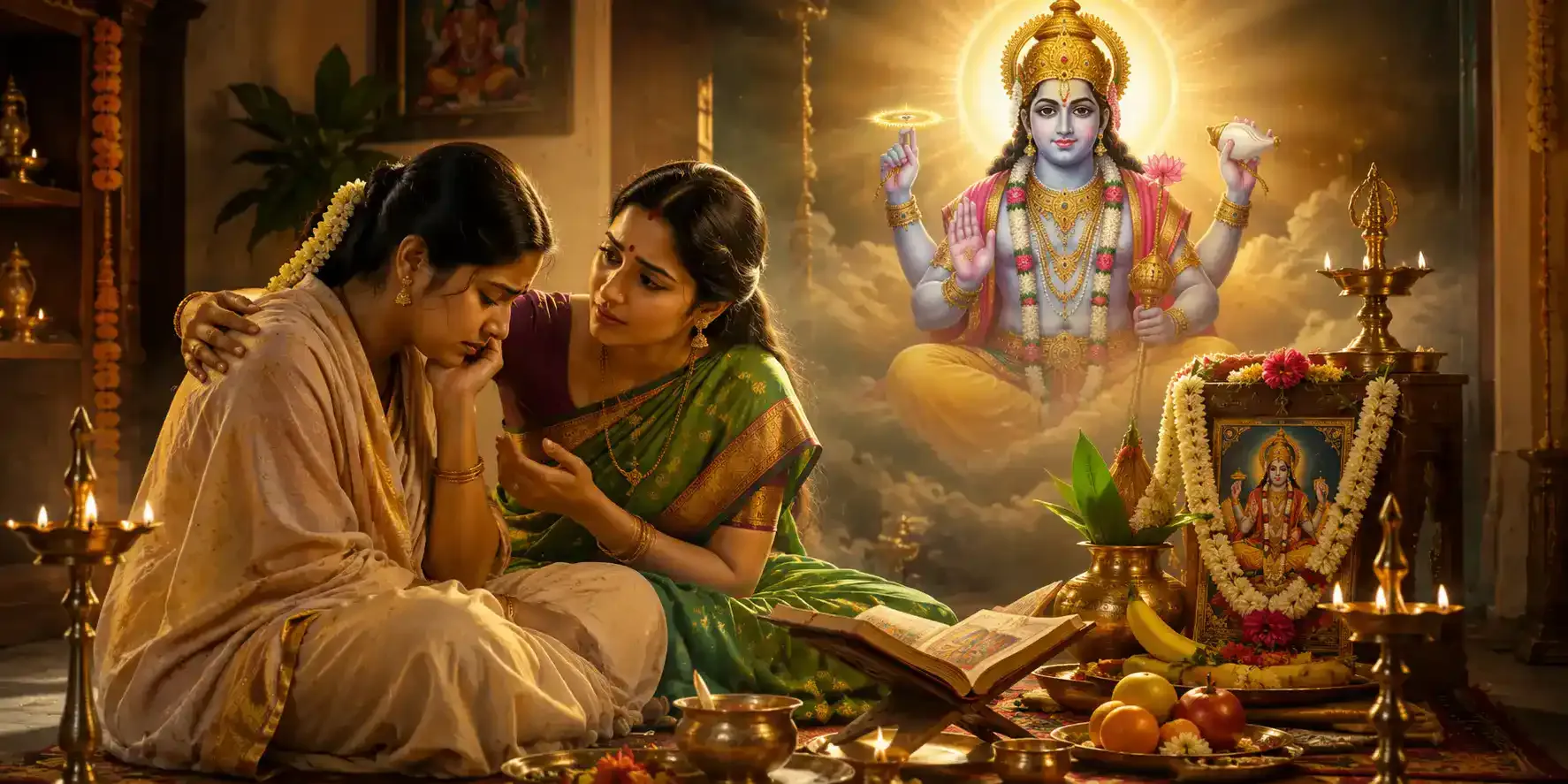
- Lord Vishnu is also worshipped on this day
- Maintain night vigil with spiritual practices. Staying awake, singing bhajans and meditating through the night is considered especially meritorious.
- Observe the Shravana Purnima Fast
- Avoid grains, onions, garlic, meat, alcohol, and tamasic activities; focus on simple sattvic nourishment if opting for a partial fast.
- In the evening, light up 5 to 10 diya and place them in different places, like in the puja room, near the main door, and beside the Tulsi plant.
- Being a Purnima, special prayers are offered to the Moon God (Chandra Dev). Devotees look at the moon and make offerings of water and rice grains for emotional balance and prosperity.
- Donate food and clothes to Brahmins and poor
Shravana Purnima Fasting Rules
- Beans and grains are prohibited to eat on Purnima.
- The killing of any animal is prohibited on this day for the devotee.
- Sleeping during the day is not allowed on Purnima.
What not to eat on Shravana Purnima
During Shravana Purnima fast, devotees typically cease from consuming grains, lentils, certain vegetables, and specific spices. Here are some food items that are usually avoided during this fast:
- Wheat, rice, barley, corn, millet, etc. are avoided as they are grains.
- Beans, chickpeas, lentils, peas, etc. are avoided due to their grain-like properties.
- Onion and Garlic - These are believed to increase urges and therefore are generally avoided during Purnima fasting.
- Brinjals and Mushrooms are considered tamasic and are avoided by some during Purnima fasting.
- Some people avoid “hing” as it is believed to disturb the purity of the mind during fasting.
- All forms of meat, fish, and eggs are avoided during the fast.
- Consumption of alcohol and stimulants like caffeine is prohibited during Purnima fasting.
- Fermented foods like yogurt, cheese, and vinegar are often avoided.
- Packaged and processed foods containing additives, preservatives, and artificial flavors are generally avoided as they are considered impure.
What to eat on Shravana Purnima Fast?
This is usually the first thing beginners search for. And the answer depends on how strictly someone keeps the vrat.
Some devotees observe Nirjala fasting without water. Others keep a partial fast and eat once. Many people stay on fruits and milk through the day.
Common foods during Shravana Purnima fasting include:
- sabudana
- potatoes
- makhana
- fruits
- milk
- dry fruits
- sweet potatoes
Simple food is preferred. Heavy meals usually defeat the purpose of fasting anyway.
Benefits of observing Shravana Purnima Fast
- Observing Shravana Purnima fast grants Lord Shiva's blessings
- Good Health
- Mental peace and relief from anxiety
- Wealth & Prosperity
Festivals celebrated on Shravana Purnima
Raksha Bandhan
On Shravana Purnima, Raksha Bandhan is celebrated. It is the celebration of sibling love. Sisters tie a Rakhi (sacred thread) on their brothers’ wrists, praying for their longevity, while brothers pledge to protect them.
This beautiful festival is celebrated with joy, sweets, and gift exchanges across India and among Indian communities abroad.
Upakarma (Janeu Sanskar)
For Brahmin communities, particularly in South India and Maharashtra, Shravan Purnima is observed as Upakarma, also known as Avani Avittam. This sacred occasion is marked by:
- Replacing the sacred thread (Yajnopavita or Janeu) as part of a traditional renewal ritual
- Performing Vedic recitations, prayers, and acts of repentance for past omissions in religious duties
- Reaffirming commitment to the study and preservation of Vedic knowledge
The day is also regarded as the beginning of a new phase of learning for Brahmacharis, who renew their dedication to Vedic education and spiritual discipline.
Narali Purnima
Celebrated mainly in coastal Maharashtra, Narali Purnima is dedicated to Varuna, the sea god. Fishermen:
- Offer coconuts (nariyal) to the sea
- Pray for safety, prosperity, and good fishing
- Begin their sea voyages after the monsoon
- It symbolizes gratitude to nature and the beginning of a prosperous season.
Hayagriva Jayanti
For Vaishnava devotees and learners, Hayagriva Jayanti commemorates the divine appearance of Lord Hayagriva, the revered incarnation of Lord Vishnu associated with intelligence, learning, and wisdom. On this auspicious day, devotees:
- Offer prayers and traditional sweets to Lord Hayagriva
- Seek divine blessings for educational growth and academic excellence
- Recite sacred mantras such as “Om Shreem Hreem Kleem Aim Hayagrivaya Namaha”
Important Notes
Actual Timings may vary by region due to India's vast geography. It is advisable to refer local astronomical data (news) for exact timings.
Frequently Asked Questions
Common queries about observing Shravana Purnima 2026 correctly.
When is Shravana Purnima in 2026?
Shravana Purnima will be observed on Friday, 28 August 2026.
What is the best time to tie Rakhi?
Avoid the Bhadra period (unlucky time). The best time is after Bhadra ends on the evening of Aug 27 or early morning before 07:20 AM on Aug 28.
What food is eaten during Shravan Purnima fast?
Most people consume fruits, milk, or sabudana-based dishes. Some observe a complete fast and eat only after moonrise.
What festivals are celebrated on Shravana Purnima 2026?
Raksha Bandhan, Upakarma (Janeu Sanskar), Narali Purnima, and Hayagriva Jayanti are celebrated on this day in different regions of India.
॥ ॐ ॥