Loading...
Parama
Ekadashi
Vrat
Katha
Parama Ekadashi Vrat Katha was explained by Lord Krishna to Arjuna in the battlefield on Kurukshetra
Observance Event
Parama Ekadashi
Significance of Parama Ekadashi
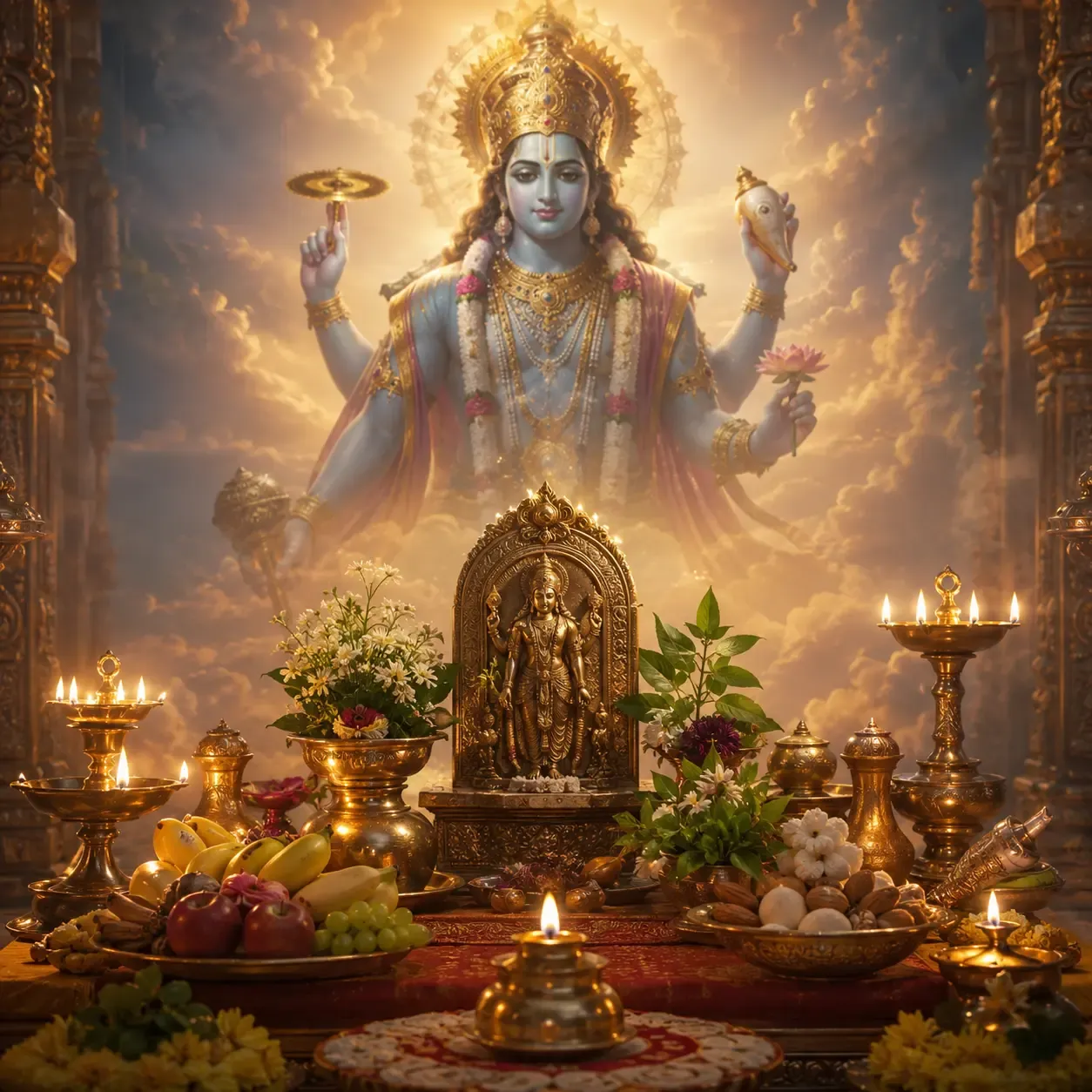
Parama Ekadashi is one of the most sacred Ekadashis observed during the Krishna Paksha of Adhika Maas (Purushottam Maas). Also known as Parama Ekadashi, Purushottami Ekadashi, or Adhika Maas Ekadashi, this auspicious vrat is dedicated to Lord Vishnu and is believed to destroy accumulated sins, remove poverty, and bestow prosperity, spiritual merit, and ultimately liberation.
According to Hindu scriptures, observing the Parama Ekadashi Vrat with devotion and listening to the Parama Ekadashi Vrat Katha brings immense blessings and helps devotees attain both worldly happiness and spiritual progress.
Parama Ekadashi Vrat Katha
Once, during a sacred conversation, King Yudhishthira asked Lord Krishna about the importance of the Ekadashi that falls during the Krishna Paksha of Adhika Maas.
"O Lord," Yudhishthira said, "please tell me about the Ekadashi observed during Purushottam Maas. What is its significance, and what benefits does a devotee receive by observing this vrat?"
Hearing this, Lord Krishna smiled and replied:
"O Dharmaraja, the Ekadashi that occurs during the Krishna Paksha of Adhika Maas is known as Parama Ekadashi or Purushottami Ekadashi. It is among the most meritorious of all Ekadashi observances. I shall now narrate a sacred story associated with this vrat. Listen carefully."
Long ago, in a city known as Kampilya, there lived a pious Brahmin named Sumedha. He resided there with his devoted wife.
Though they were extremely poor, both husband and wife were deeply religious and led a life rooted in righteousness. They faithfully performed their daily duties, respected holy people, and welcomed guests with sincerity and humility.
Their poverty, however, was severe.
Many days passed with very little food in the house, and despite their difficult circumstances, they never abandoned their faith in God.
One day, troubled by the hardships they faced, Sumedha spoke to his wife.
"My dear," he said, "our poverty has become unbearable. I wish to travel to a distant land and earn wealth. Once I have gathered enough resources, I shall return, and we will live comfortably."
His wife listened patiently and replied with wisdom.
"Lord," she said gently, "whatever a person receives in life is according to the fruits of past actions. If wealth is destined for us, it will come at the proper time. Rather than leaving home and wandering in uncertainty, continue performing righteous deeds and place your trust in the will of God. Whatever the Lord has ordained will surely happen."
Her words were filled with faith and spiritual understanding.
Sumedha reflected upon them and realized that his wife was speaking the truth. He abandoned the idea of leaving for a distant land and chose to remain at home.
Some time later, a great sage named Kaundinya happened to visit their village.
The Brahmin and his wife welcomed the revered sage into their humble home with great respect. Despite their poverty, they served him with devotion and offered whatever they had.
The sage was deeply pleased by their sincerity.
Seeing their difficult condition, Kaundinya Rishi asked them about their troubles.
The couple humbly explained their situation and requested guidance.
Moved by their devotion, the sage said:
"If you wish to overcome poverty and attain prosperity, observe the sacred Parama Ekadashi Vrat that falls during the Krishna Paksha of Adhika Maas. Along with this vrat, perform the Panchratri observance with faith and discipline. This vrat has the power to remove suffering, grant prosperity, and ultimately lead devotees toward the abode of Lord Vishnu."
The sage then described the greatness of the observance.
He explained that those who perform the Panchratri Vrat with devotion receive immense spiritual merit. Charity, self-discipline, devotion, worship, and righteous conduct during these sacred days produce extraordinary results.
Kaundinya Rishi further said:
"Many great souls have attained blessings through this vrat. Even Kubera, the lord of wealth, is said to have observed this sacred Ekadashi. Pleased by his devotion, Lord Shiva granted him the exalted position of the treasurer of the gods."
Hearing these words, Sumedha and his wife felt renewed hope.
When the sacred occasion of Parama Ekadashi arrived, they observed the vrat with complete faith and devotion. They worshipped Lord Vishnu, followed the prescribed disciplines, and performed acts of charity according to their ability.
By the grace of Lord Vishnu, a remarkable transformation began to take place in their lives.
Gradually, their poverty disappeared. Prosperity entered their household, and their difficulties came to an end. The couple spent many years living a peaceful and virtuous life while continuing their devotion to the Lord.
At the end of their earthly lives, they attained the divine abode of Lord Vishnu, Vaikuntha, where eternal bliss awaits the devoted souls.
After narrating this story, Lord Krishna said to Yudhishthira:
"O King, whoever observes the Parama Ekadashi Vrat with devotion and listens to this sacred Parama Ekadashi Katha receives the blessings of Lord Vishnu. Such a person is freed from sins, blessed with prosperity, and guided toward spiritual liberation."
Thus ends the sacred Parama Ekadashi Vrat Katha.
Spiritual Message of Parama Ekadashi
The Parama Ekadashi Katha teaches that sincere faith, righteous conduct, devotion to Lord Vishnu, and trust in divine timing can transform even the most difficult circumstances. The story of Sumedha and his wife reminds devotees that spiritual wealth often precedes material prosperity, and that true devotion never goes unnoticed by the Lord.
॥ End of Parama Ekadashi Vrat Katha ॥
Frequently Asked Questions
Common queries about observing Parama Ekadashi Vrat Katha correctly.
What is the story of Parama Ekadashi Vrat Katha?
Parama Ekadashi Vrat Katha narrates the story of the poor Brahmin Sumedha and his devoted wife Pavitra, who observed Parama Ekadashi during Adhik Maas after receiving guidance from Sage Kaundinya and were later blessed with relief from poverty and suffering.
Who narrated the Parama Ekadashi Vrat Katha?
According to Hindu scriptures, Lord Krishna narrated the Parama Ekadashi Vrat Katha to Arjuna while explaining the importance of fasting during Adhik Maas.
What is the main message of Parama Ekadashi Katha?
The main message of Parama Ekadashi Katha is that sincere devotion, patience during hardship, charity, and faith in Lord Vishnu can gradually remove suffering and bring stability in life.
Who were Sumedha and Pavitra in Parama Ekadashi story?
Sumedha was a poor but righteous Brahmin living in Kampilya, while Pavitra was his devoted wife. Their life and struggles form the central narrative of the Parama Ekadashi Vrat Katha.
Why is Parama Ekadashi considered important in Adhik Maas?
Parama Ekadashi falls during Krishna Paksha of Adhik Maas (Purushottam Maas), which is considered especially sacred for Vishnu worship, spiritual discipline, and devotional observances in Hindu tradition.
Why is Parama Ekadashi also called Purushottami Ekadashi?
Parama Ekadashi is observed during Adhika Maas, which is also known as Purushottam Maas. Because of this association with Lord Vishnu as Purushottama, the Ekadashi is often called Purushottami Ekadashi.
What blessings are believed to come from observing Parama Ekadashi Vrat?
Devotees believe that observing Parama Ekadashi Vrat brings the blessings of Lord Vishnu, removes obstacles and past sins, grants prosperity, supports spiritual growth, and ultimately helps one attain Vaikuntha after death.
॥ ॐ ॥