Key Takeaways
- Choose one mantra from a family tradition, teacher, or dependable published source.
- Learn the full wording and pronunciation before deciding how many repetitions to complete.
- Keep the first sitting short enough to finish with care and attention.
- Pick a counting method only after the words have become familiar.
- Ask for guidance when a mantra requires initiation or available versions disagree.
Starting With Several Rules Creates Confusion
A beginner may hear different advice about which mantra to use, when to chant, and how many repetitions complete a session. Recordings may differ, and family members may follow separate customs. Beginning mantra jaap with every rule at once can turn devotion into a daily test. Settle one decision at a time. First confirm the mantra, then learn its wording and sound. For mantra chanting for beginners, a brief routine completed attentively offers a firmer beginning than a demanding count abandoned after several days.
Begin With One Mantra From a Source You Trust
Start with a mantra known in your family or connected with your personal devotion. A family priest or teacher can confirm the version used in your household. Books and recordings issued by established spiritual organizations can support an open devotional chant. Some traditions reserve certain mantras for formal initiation or give them with specific instructions. Do not assume that every mantra found online is meant for independent practice. Ask before beginning when the source mentions diksha, a formal sankalp, secrecy, or a prescribed ritual. Record where your chosen wording came from. You can return to it if another book, video, or relative uses a different syllable. Changing versions each day makes pronunciation harder to learn.
Learn the Mantra Before Setting a Daily Target
Write Down the Complete Wording
Copy the mantra and compare it line by line with the trusted source. Keep a careful transliteration if you cannot read the original script. Correct mantra pronunciation begins with checking repeated words, vowel marks, and where the chant begins again.
Listen Before Repeating Independently
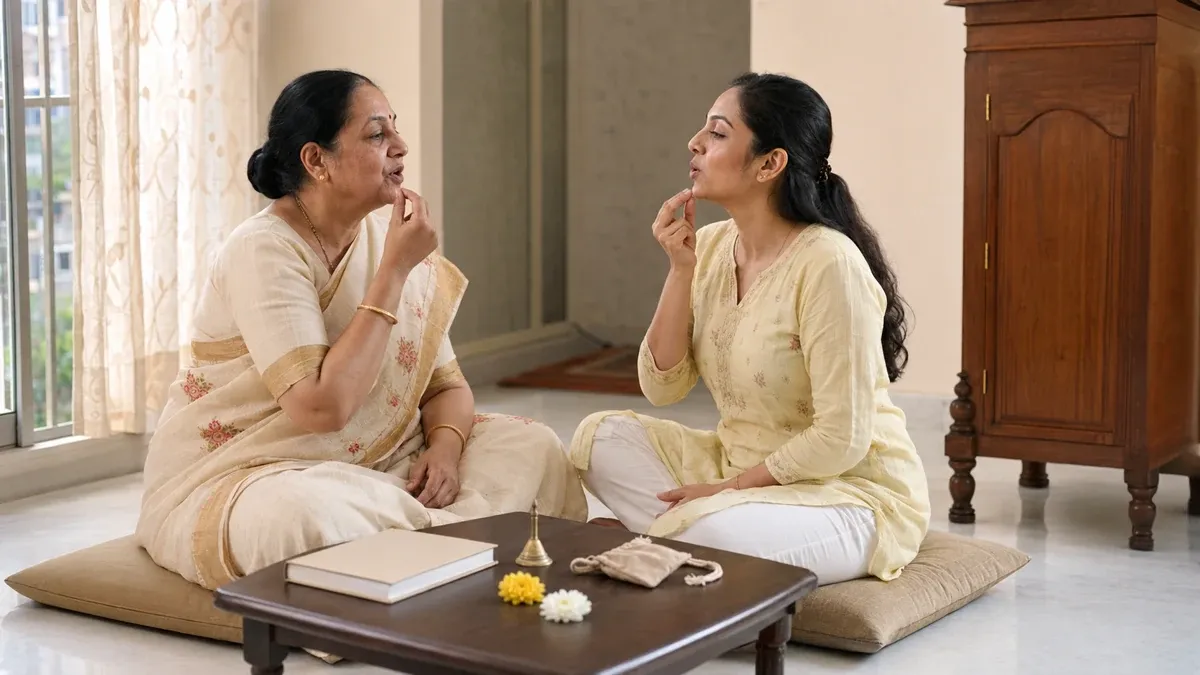
Hear a qualified teacher or dependable recording at a slow pace. Notice syllable length, pauses, and sounds without a close English equivalent. Repeat one line at a time, then compare it with the reference.
Read the Basic Meaning
Learn whom or what the mantra addresses and the broad sense of its words. Some mantras contain seed syllables without a direct translation. Use the tradition's explanation rather than forcing an English meaning onto every sound.
Use the First Seven Days to Build the Routine
- Day one: Confirm the mantra, its exact version, and the source you will follow.
- Day two: Read the complete wording slowly and mark any syllable that needs checking.
- Day three: Practice the sound without keeping count, stopping whenever the words become unclear.
- Day four: Choose a clean place where household activity is less likely to interrupt you.
- Day five: Complete a short sitting at a pace that keeps each repetition distinct.
- Day six: Notice where attention slips or two words run together, then practice that part separately.
- Day seven: Select a realistic time for the next week based on the sessions you completed.
Choose a Counting Method After the Words Feel Familiar
A time-based session can replace a fixed count. Set a modest period and keep an even pace without hurrying near the end. A daily mantra practice can grow later after the original duration feels comfortable for a full week. Some people keep a written tally, and others repeat a familiar devotional name without counting. Follow the method connected with your practice. If a teacher has assigned a count, record only the repetitions you actually complete. A japa mala is a traditional counting aid, commonly made with 108 beads. Its handling varies between traditions. Learn the method from your source instead of copying an unrelated practice or assuming that every strand follows identical rules.
Continue After a Missed or Interrupted Session
- Resume at the next available time without doubling the count from the missed session.
- Return to the word where you paused if an interruption breaks your attention.
- Reduce the pace when separate syllables begin to merge.
- Stop chanting aloud if coughing or breathlessness makes speech uncomfortable, then ask whether silent mantra repetition suits the practice.
- Record only completed repetitions when you are following an assigned count.
Make Space for Mantra Jaap in a Shared Home
A separate room is unnecessary for many everyday practices. Choose a clean seat away from television, calls, or kitchen noise. Low-volume repetition may suit a shared room better than chanting aloud. Tell other residents when you need a brief period without interruption. Homes with children or changing work shifts rarely remain silent on command. Choose a practical window instead of waiting for perfect conditions. Headphones can help with a recording beforehand, provided you can still hear your surroundings. Keep the arrangement easy to clear when someone needs the room. Store the written copy, seat, and counting aid together. A simple arrangement can make a mantra meditation practice easier to resume after the room has served another purpose.
Keep the Practice Going During Travel
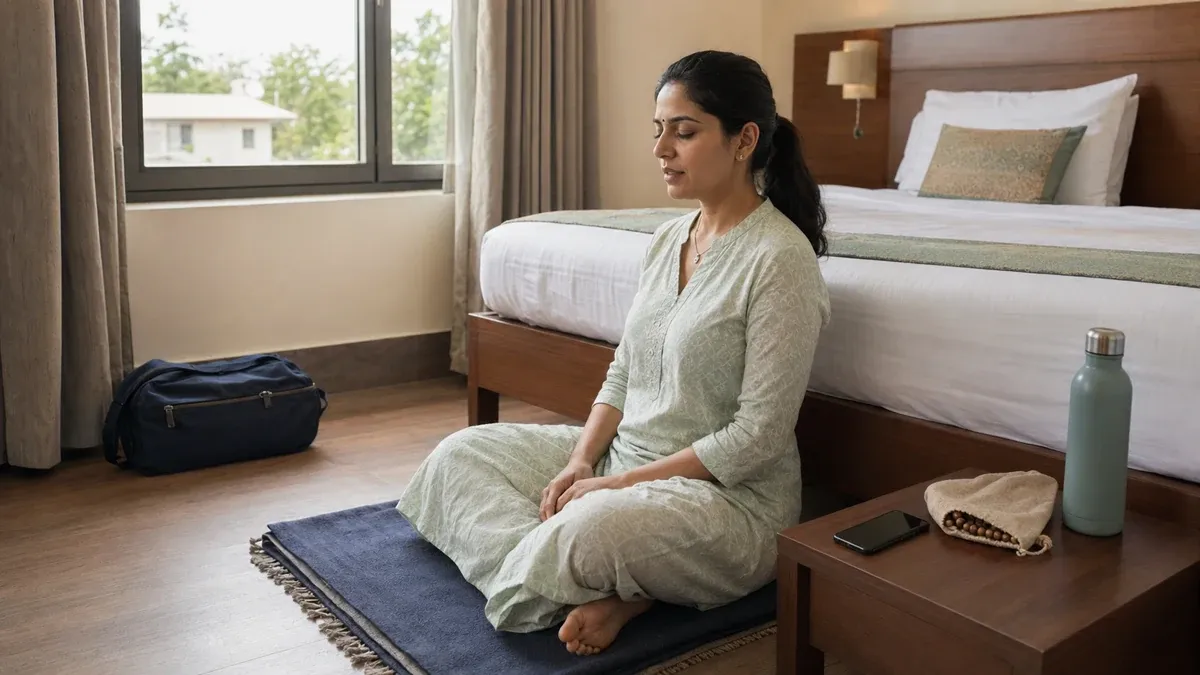
- Carry a clear written copy in a protected folder or on a device available offline, and confirm that the file opens before leaving an area with reliable internet access.
- Choose a shorter session when departure times or lodging arrangements remain uncertain.
- Repeat quietly where audible chanting could disturb passengers or other guests.
- Return to your regular place and duration after reaching home.
Know Which Questions Need Personal Guidance
Ask Before Beginning an Initiated Mantra
Initiated practice may include rules about eligibility, preparation, count, or daily observance. A public recording cannot replace instructions intended for a particular student. Speak with the teacher or institution connected with the mantra before beginning.
Resolve Conflicting Pronunciation Advice
Regional accents and lineages can account for some differences, but a missing syllable or altered word needs checking. Take both versions to a qualified person who knows the language and the tradition. Do not create a hybrid version from several recordings.
Check Before Combining Several Practices
Adding several mantras can leave little time to learn any of them carefully. Seek advice when you already follow a formal sankalp, have received practices from different teachers, or want to combine chants carrying separate ritual instructions.
Closing Thoughts: Let the Practice Become Familiar
Mantra jaap becomes easier to follow when the words are known, the session is realistic, and the method comes from a source you trust. Let care and devotion guide the routine, then adjust its length only when daily repetition feels settled.